
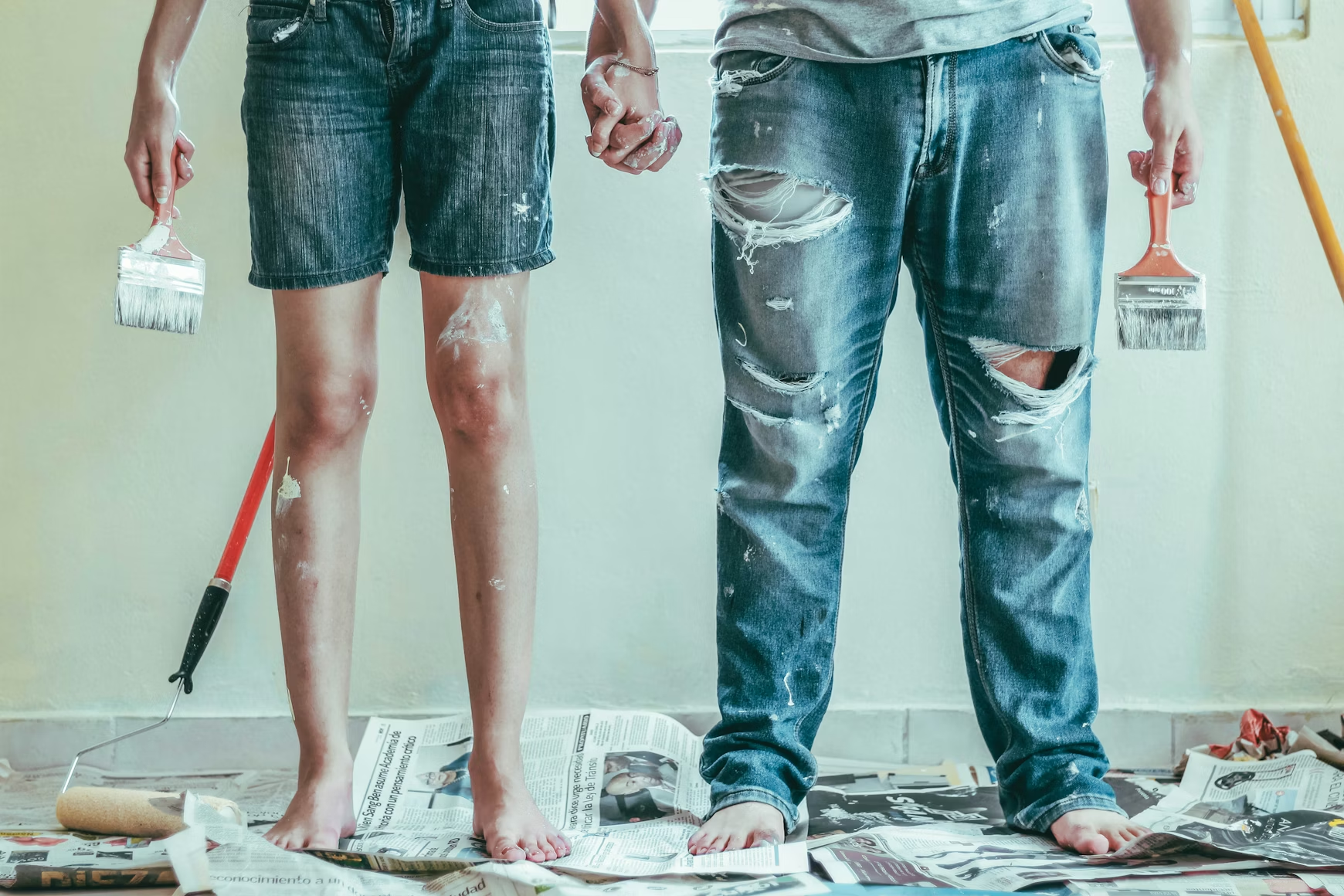
Scroll through TikTok or Instagram for five minutes and you’ll see it:
peel-and-stick tiles, DIY panelling, dramatic “before and after” reveals, and entire house renovations condensed into 60-second transformations.
Home renovation is hugely popular and has become an entire online movement.
There are now over 1.5 million posts under #homeimprovement on TikTok, with creators documenting everything from budget kitchen makeovers to full property refurbishments. Pinterest and Instagram are equally saturated with renovation inspiration, particularly among younger, first-time homeowners.
But while paint colours, smart lighting and statement fireplaces are being debated endlessly online, Radon is rarely mentioned.
And that’s a problem.
The Renovation Boom: What’s Driving It?
Several major trends are fuelling the UK’s renovation surge:
1. “Don’t Move, Improve”
With higher interest rates and increased housing costs, many homeowners are choosing to renovate rather than relocate.
2. Sustainable & Energy-Efficient Upgrades
Searches for eco-friendly insulation, airtight windows and improved energy performance continue to rise, particularly among younger homeowners.
3. Smart Home Integration
From app-controlled heating to smart lighting and security systems, tech-enabled homes are a major trend.
4. Bold Aesthetic Changes
From panelling over original features to painting brick fireplaces or installing modern finishes in period homes – dramatic visual upgrades dominate social media feeds.
Renovation has become aspirational, shareable and heavily influenced by online trends.
But very rarely does radon or even indoor air quality feature in the conversation.
Why Renovations Can Affect Radon Levels
Radon is a naturally occurring radioactive gas that enters buildings from the ground below. It is invisible, odourless and cannot be detected without testing.
And crucially, renovations can change how radon behaves inside a property.
Here’s how:
1. Increased Airtightness
Energy efficiency upgrades often involve sealing gaps, improving insulation and reducing ventilation. While this is excellent for reducing heating bills, it can also reduce the natural dilution of indoor radon, allowing concentrations to increase.
2. New Ground Contact
Extensions, basement conversions or new flooring can create additional ground contact areas, potentially introducing new radon entry pathways.
3. Altered Airflow Patterns
Changing internal layouts, installing underfloor heating, or modifying ventilation systems can affect pressure inside the building, influencing radon movement.
4. Loft Conversions & Structural Changes
Even renovations that seem unrelated to the ground floor can impact airflow dynamics throughout the property.
The result?
Radon levels in a renovated property may be different from before the works were carried out.
The Social Media Gap
Online renovation content often focuses on:
What it rarely addresses is:
Short-form content can make renovations appear quick and simple, but the hidden impacts,including radon risk, aren’t as visually dramatic or algorithm-friendly.
That doesn’t make them less important.
Why This Matters in the UK
Radon is the leading cause of lung cancer after smoking in the UK. High radon levels are found across the UK and readings can vary largely even between houses on the same street.
Most homeowners would never knowingly ignore a gas leak.
But radon doesn’t smell. It doesn’t cause immediate symptoms. And unless you test, you won’t know it’s there.
When renovations change how a building “breathes,” it makes sense to reassess radon levels,particularly if:
So What Should Homeowners Do?
Step 1: Test (Ideally Over 3 Months)
The UK gold standard for assessing radon is a 3-month passive radon test, which accounts for natural fluctuations and seasonal variation.
Shorter tests can provide an indication, but longer-term testing gives the most reliable picture.
Step 2: Review Results Properly
If levels exceed UK action levels, which is 200Bq/m3 for homes, mitigation solutions are available and highly effective.
Step 3: Consider Ongoing Monitoring
After a renovation, or after mitigation, a digital radon monitor can help track ongoing trends and give reassurance that levels remain controlled.
A Thoughtful Approach to Home Improvement
Home improvement is about creating safer, more comfortable living spaces.
Radon testing isn’t dramatic. It won’t go viral on TikTok, but it is one of the simplest ways to understand the air quality in the home you’ve just invested time and money improving.
If you’re renovating this year, or have recently completed works, it may be worth asking:
“Have the changes I’ve made affected my indoor radon levels?”
Testing is straightforward. The peace of mind can be invaluable.
Ready to include radon in your renovation checklist?
Explore PropertECO’s radon testing kits and monitoring options or get in touch with our team for advice tailored to your property.
Because improving your home shouldn’t overlook what you can’t see.


